Rewarded Into Complacency: How Pharmacy Loyalty Programs Keep You Paying More
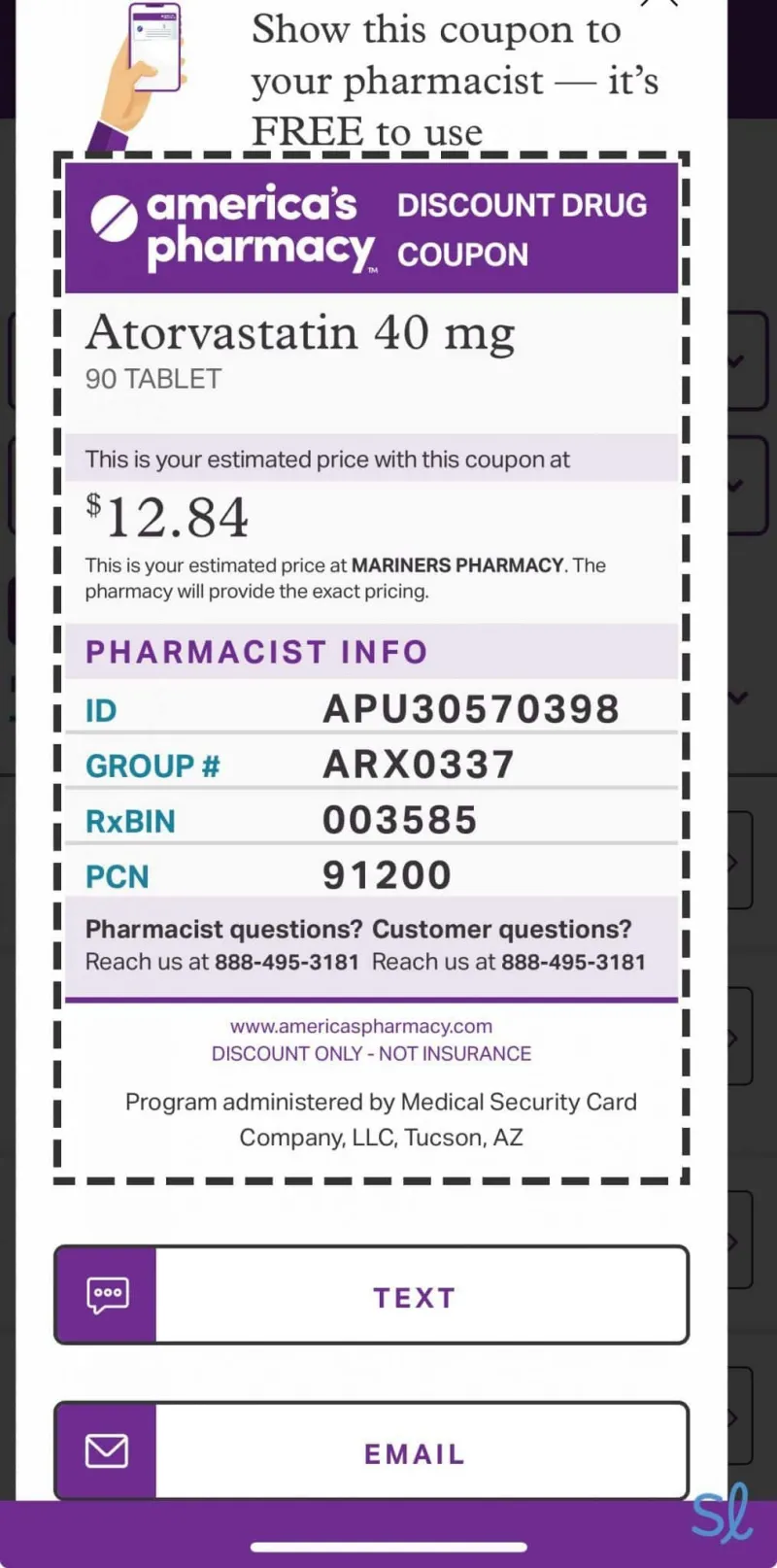
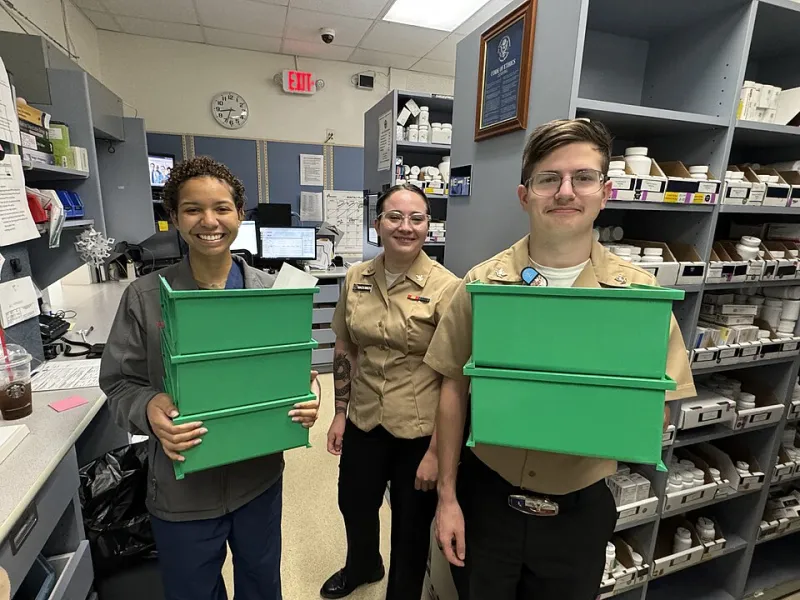
Photo: pharmacy loyalty card prescription medication savings comparison, via www.seniorliving.org
At first glance, enrolling in a pharmacy loyalty program seems like a straightforward win. You hand over your membership card at checkout, accumulate points on every prescription fill, and occasionally redeem those points for a discount on household goods or a future purchase. It feels like getting something for nothing. But a closer look at how these programs are structured—and how they influence patient behavior—reveals a more complicated picture, one that frequently benefits the pharmacy far more than the patient.
For Americans managing chronic conditions or multiple prescriptions, the financial stakes are not trivial. According to data from the Kaiser Family Foundation, nearly one in four adults report difficulty affording their medications. In that context, any program promising savings deserves rigorous scrutiny before you hand over your personal health data and commit your prescription business.
The Psychology of Points: Why Loyalty Programs Work So Well
Pharmacy chains invest heavily in loyalty programs precisely because behavioral economics is on their side. Once a patient earns even a modest number of points, psychological research consistently shows they become reluctant to abandon those accumulated rewards. This phenomenon—sometimes called the "sunk cost" effect—means that patients who have banked 2,000 reward points are far less likely to price-check a competitor, even when doing so might save them significantly more money than those points are worth.
The math is rarely favorable to the consumer. Most pharmacy reward points translate to a fraction of a cent per dollar spent. A patient filling a maintenance medication that costs $120 per month might accumulate enough points over six months to redeem for a $10 store coupon. Meanwhile, that same prescription might be available at a competing pharmacy—or through a verified discount program—for $60 or less per fill. The loyalty program effectively cost them $360 over those six months in exchange for a $10 reward.
Locked In Without Realizing It
Beyond the psychological pull, loyalty programs create structural barriers to switching. When a patient fills all prescriptions at a single chain to maximize point accumulation, their medication history, automatic refill schedules, and insurance billing information become deeply embedded in that pharmacy's system. Transferring everything to a new pharmacy requires deliberate effort—calling both locations, confirming transfers, potentially waiting additional days for processing.
For patients managing multiple medications or caring for elderly family members, that friction is a genuine deterrent. Pharmacy chains understand this. The more integrated a patient becomes with one system, the less likely they are to comparison shop, even when prices fluctuate dramatically.
This is compounded by the fact that many loyalty programs offer tiered benefits—better rewards for patients who consolidate all prescriptions at one location. The incentive structure is explicitly designed to discourage diversification, which is precisely the behavior that keeps patients informed about market pricing.
The Generic Drug Blind Spot
One of the most consequential ways loyalty programs cost patients money involves generic medications. When patients become anchored to a single pharmacy, they often stop monitoring whether lower-cost generic alternatives have entered the market for their branded prescriptions. A pharmacy with a robust loyalty program has limited financial incentive to proactively notify patients when a cheaper equivalent becomes available—particularly if that switch would reduce the total transaction value and, consequently, the points earned.
Patients who actively comparison shop, by contrast, are far more likely to encounter promotional pricing on generics, cash-pay discount options, or third-party savings programs that pharmacies participating in certain loyalty structures may not accept or prominently advertise. Some pharmacies explicitly prohibit stacking loyalty discounts with external coupon programs, meaning patients must choose between their accumulated points and a potentially larger immediate savings.
What Pharmacies Know That Patients Don't
Pharmacy loyalty programs also serve as sophisticated data collection tools. When patients enroll, they typically consent—often in fine print—to sharing their prescription history and purchasing behavior with the parent company. This data informs inventory decisions, targeted marketing, and in some cases, pricing strategies. Patients with demonstrated loyalty and low price-sensitivity may, over time, be presented with fewer competitive pricing options than those who regularly compare costs.
This is not a theoretical concern. Investigative reporting and academic research have both documented how consumer data collected through retail loyalty programs influences the personalized pricing and promotions that individual customers receive. In a healthcare context, where medication costs can be life-altering, this dynamic warrants particular attention.
Practical Strategies for Maintaining Your Negotiating Power
None of this means patients must avoid loyalty programs entirely. The key is approaching them as one tool among many, rather than as a primary savings strategy. Here are concrete steps to protect your prescription budget:
Compare prices before every fill, not just occasionally. Free tools and verified discount platforms allow patients to check real-time pricing at multiple pharmacies within minutes. Even patients enrolled in loyalty programs can request a price match or choose to fill a specific prescription elsewhere when the savings are substantial.
Understand what your points are actually worth. Before your next refill, calculate the dollar value of the points you would earn versus the potential savings available at a competing pharmacy or through an independent discount program. The arithmetic is often clarifying.
Ask explicitly about generic alternatives at every visit. Do not rely on your pharmacy to volunteer this information. Request a therapeutic review with your pharmacist and ask directly whether any of your current medications have lower-cost equivalent options.
Read the terms before enrolling. Loyalty program agreements vary significantly. Some prohibit combining rewards with third-party coupons or discount cards. Others share data with affiliated companies in ways patients may not anticipate. Understanding these terms helps you make an informed decision about participation.
Maintain your prescription portability. Federal law guarantees patients the right to transfer prescriptions between pharmacies. Exercising this right periodically—even for a single medication—reinforces the habit of comparison shopping and prevents the inertia that loyalty programs depend upon.
The Bigger Picture
Pharmacy loyalty programs are not inherently predatory, but they are designed with the pharmacy's interests as the primary consideration. For patients who are already managing the complexity of insurance coverage, prior authorizations, and medication schedules, these programs offer a seductive simplicity: fill here, earn rewards, repeat. That simplicity has real value. But it comes at a cost that most patients have never fully calculated.
At CureRx For, our commitment is to helping patients make fully informed decisions about where and how they access their medications. Prescription savings require active engagement, not passive accumulation. Understanding the mechanics of loyalty programs is not about cynicism—it is about ensuring that your healthcare decisions are driven by your medical needs and financial interests, not by a points balance that may be worth far less than it appears.