Caught Between Doctor and Drugstore: How Prescription Authorizations Get Stuck—and How to Get Them Moving
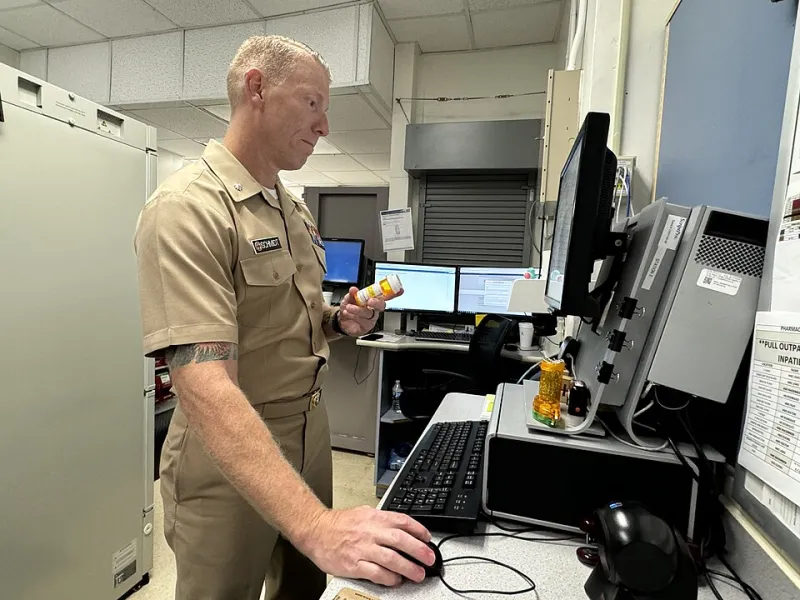
Photo: U.S. Navy NMRTC by Emily McCamy, Public domain, via Wikimedia Commons
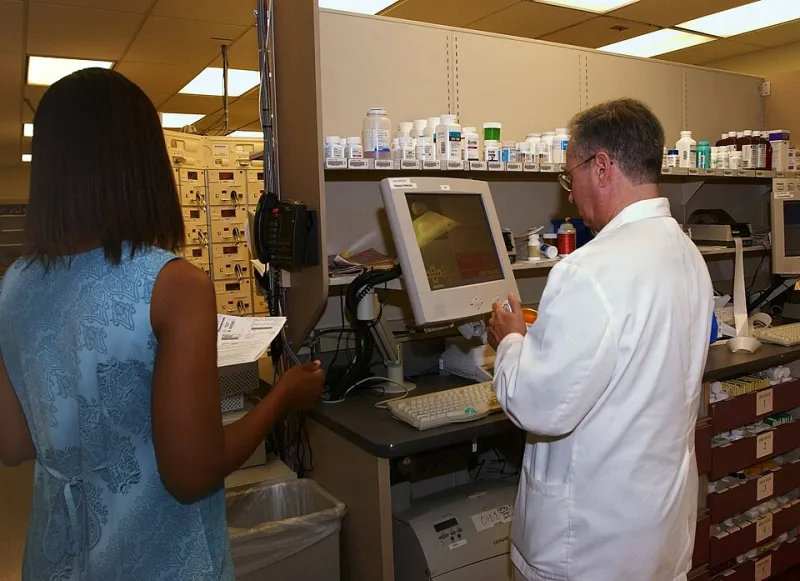
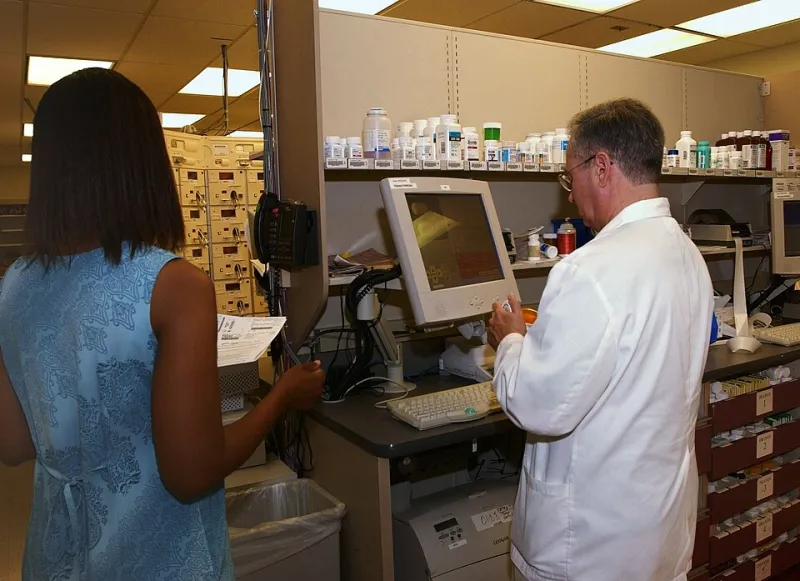
You leave your doctor's office with a clear plan: a new medication has been prescribed, the pharmacy is on file, and you expect the prescription to be waiting when you arrive. Then you walk up to the counter—or check your pharmacy app—and find nothing. No record. No status. Just a blank screen and a pharmacist who suggests you call your doctor's office.
This experience is far more common than it should be. According to pharmacy industry data, a significant percentage of electronic prescriptions encounter at least one processing delay before they are filled. For patients managing chronic conditions, pain, or time-sensitive treatments, these gaps are not mere inconveniences—they carry real medical and financial consequences.
At CureRx For, we believe that understanding the system is the first step toward navigating it more effectively. Here is what actually happens between the moment your prescriber sends an authorization and the moment you hold your medication in hand.
The Invisible Journey of a Prescription
Most patients assume that a prescription sent electronically travels instantly, like an email. In reality, the process involves multiple handoffs, each one a potential point of failure.
When a physician uses an electronic prescribing platform—commonly known as e-prescribing—the order passes through a health information network before landing in the pharmacy's queue. Along the way, it may be flagged for formulary checks, duplicate therapy alerts, or patient identity verification. Any one of these automated filters can pause the transmission or route it to a manual review queue.
For prescriptions that require prior authorization—a formal approval from your insurance company before the drug will be covered—the delay compounds significantly. The prescriber's office must submit clinical documentation to the insurer, the insurer must review and respond, and only then can the pharmacy proceed. This back-and-forth can take anywhere from 24 hours to several business days, depending on the medication and the insurer involved.
Fax-based communication, which remains surprisingly prevalent in US healthcare, introduces additional risk. Busy medical offices send prior authorization requests to insurer fax lines that may be congested, unmanned, or simply malfunctioning. Documents are lost, resent, and lost again—with no one notifying the patient in the interim.
Where the System Most Commonly Breaks Down
Pharmacy staff report several recurring bottlenecks that account for the majority of authorization delays.
Prescriber contact information mismatches. When a physician's office changes locations, phone systems, or staffing, the pharmacy's records may not reflect those updates. Callbacks go unanswered or reach the wrong extension, stalling the entire process.
Insurance formulary conflicts. A medication your doctor has prescribed may not appear on your insurance plan's approved drug list, or it may require step therapy—meaning your insurer wants documented evidence that you tried a lower-cost alternative first. Until that documentation is submitted and approved, the prescription sits in limbo.
Electronic prescribing platform errors. Interoperability between different health systems remains an ongoing challenge. A prescription sent from one platform may arrive at the pharmacy in an incomplete or unreadable format, requiring manual intervention before it can be processed.
Controlled substance regulations. Prescriptions for Schedule II medications such as certain stimulants and opioids face additional legal requirements, including electronic prescribing for controlled substances (EPCS) compliance checks. A single missing field in the prescriber's digital signature can invalidate the transmission entirely.
What Patients Can Do Right Now
While many of these obstacles exist within systems that patients cannot directly control, there are concrete steps you can take to reduce delays and protect your access to medications.
Confirm transmission before you leave the office. Before walking out of your appointment, ask the front desk or medical assistant to confirm that the prescription has been successfully sent to your pharmacy. Request a reference number or transmission confirmation if the practice uses e-prescribing software that provides one.
Call your pharmacy proactively. Rather than waiting and hoping, contact your pharmacy two to four hours after your appointment to confirm the prescription has been received and is being processed. Early identification of a missing order gives everyone more time to resolve it before you need the medication urgently.
Know whether your prescription requires prior authorization. Ask your prescriber's office at the time of your visit whether the medication is likely to require insurance approval. If it does, ask that the prior authorization request be submitted the same day. Some offices have dedicated staff for this task; knowing who to follow up with can save considerable time.
Use your pharmacy's digital tools. Many major pharmacy chains and independent pharmacies now offer mobile apps or text notification systems that update you on prescription status in real time. Enrolling in these services ensures you are among the first to know if a delay occurs—rather than finding out at the counter.
Request a bridge supply when appropriate. If you are transitioning from one medication to another or waiting on a prior authorization for a maintenance drug, ask your prescriber whether they can provide samples or a short-term paper prescription for a small supply to tide you over. Not all situations qualify, but it is always worth asking.
Escalate strategically. If a prior authorization has been pending for more than 48 hours, contact both your prescriber's office and your insurance company directly. Ask each party for a case number and the name of the representative you spoke with. Written documentation of these conversations creates accountability and often accelerates resolution.
The Role of Prescription Savings Programs in Authorization Delays
One underutilized option when insurance authorization stalls is exploring manufacturer patient assistance programs or third-party prescription discount platforms. In some cases, paying out-of-pocket through a discount program—at least temporarily—can be less expensive and faster than waiting for insurance approval to clear.
This strategy is particularly relevant for generic medications, where the cash price at certain pharmacies may be lower than your insurance copay regardless of authorization status. Comparing prices across pharmacies and using legitimate discount tools can provide a viable short-term solution while the insurance process resolves.
CureRx For maintains a regularly updated resource section covering prescription discount options, savings programs, and cost comparison guidance to help patients make informed decisions during exactly these kinds of delays.
A System That Needs Patient Advocates
The authorization gap between prescribers and pharmacies is not simply a technology problem. It reflects a broader fragmentation in the US healthcare system—one where insurers, providers, and dispensers operate on separate platforms with inconsistent communication standards. Patients are frequently left to bridge those gaps themselves, often without adequate information or support.
Until systemic improvements catch up with the scale of the problem, informed and proactive patients will fare better than those who wait passively. Knowing the process, asking the right questions, and following up consistently are not burdens that should fall on sick individuals—but for now, they are among the most effective tools available.
Your prescription should not be a bureaucratic obstacle course. Understanding where it can get stuck is the first step toward making sure it reaches you when you need it most.