When You Take It Matters as Much as What You Take: The Hidden Cost of Medication Timing Errors

Ask most patients what they know about their prescriptions, and they can usually tell you what the medication treats. Ask them when they are supposed to take it—and why that window matters—and the answers become far less certain. This knowledge gap is not a minor inconvenience. For a significant portion of the American population managing chronic conditions, the timing of medication administration directly affects therapeutic outcomes, insurance reimbursement cycles, and annual out-of-pocket spending.
At CureRx For, we frequently encounter patients who are frustrated that their medications do not seem to be working as expected, or that their pharmacy bills remain stubbornly high despite doing "everything right." In many of those cases, the culprit is not the drug itself—it is the clock.
The Biology Behind the Clock
Pharmacology is not indifferent to time. Many medications are designed to work in concert with the body's circadian rhythms—the internal biological cycles that govern hormone release, immune activity, blood pressure fluctuation, and cellular repair. Statins, for example, are often most effective when taken in the evening because the liver produces the most cholesterol overnight. Certain blood pressure medications perform better when taken at bedtime, reducing the dangerous early-morning surge that is statistically linked to cardiovascular events.
When patients take these medications at arbitrary or inconsistent times—grabbing a pill whenever they remember, or shifting the schedule based on convenience—the pharmacological benefit can be substantially reduced. A drug that achieves 85 percent efficacy at the correct time may deliver considerably less at the wrong one. The result is a patient who appears non-responsive to treatment, prompting dose escalations, additional prescriptions, and more spending.
How Pharmacy Refill Cycles Compound the Problem
Beyond individual dosing behavior, the structure of the American pharmacy system itself creates timing dysfunction at scale. Most insurance plans operate on a 30-day or 90-day refill cycle. These cycles are calculated from the date a prescription is filled, not from when a patient actually begins taking the medication consistently.
Consider a common scenario: a patient picks up a 30-day supply on the first of the month but does not start taking the medication until the fifth, after receiving dietary instructions from their physician. By the time the prescription is due for refill, the patient is four days short. They either ration their remaining doses—disrupting their regimen—or pay out-of-pocket before insurance coverage reactivates.
This misalignment between fill date and start date is one of the most common and least-discussed sources of prescription waste in the United States. According to research on medication adherence, a meaningful percentage of patients report running out of medication before their next covered refill, and a significant proportion respond by skipping doses rather than paying the full retail cost.
The "Pill Stockpile" Problem and What It Actually Signals
On the opposite end of the spectrum, many patients accumulate excess medication—a bathroom cabinet full of partially used blister packs and bottles. This is frequently interpreted as a sign of good adherence, but it often indicates the opposite: inconsistent dosing that leaves pills behind.
A patient who occasionally doubles up after missing a dose, or who stops a course of antibiotics early because they feel better, will end up with leftover medication. That surplus does not translate into savings. Insurance has already been billed. The therapeutic benefit has been compromised. And in some cases, the leftover medication creates a safety risk, particularly with controlled substances or medications that degrade over time.
The stockpile is a symptom of timing confusion—and it represents real dollars that neither the patient nor the insurer recovered any value from.
Insurance Windows, Prior Authorizations, and the Cost of Being a Day Early
Timing errors are not limited to the patient's medicine cabinet. Insurance systems impose strict refill windows, and attempting to fill a prescription even one day before the approved date will result in a claim denial at the pharmacy counter. For patients who travel, work irregular schedules, or simply try to be proactive about their health, these hard cutoffs create financial friction.
The situation becomes more acute when prior authorization requirements are involved. If a physician submits updated dosing instructions—say, increasing a medication from once daily to twice daily—the insurance company may require a new authorization before covering the adjusted quantity. During the review period, which can take days or even weeks, the patient is left managing their condition with an insufficient supply. They either pay out-of-pocket for the additional doses or they under-medicate, both of which carry real costs.
Practical Strategies to Synchronize Your Prescriptions
The good news is that medication timing dysfunction is largely correctable with deliberate planning. The following approaches can help patients align their prescriptions more effectively with both their health needs and their financial realities.
Request a Medication Synchronization Program. Many pharmacies—including major chains and independent operators—offer medication synchronization, or "med sync," services. These programs align all of a patient's refill dates to a single calendar date each month, eliminating the chaotic pattern of picking up different prescriptions on different days. Patients who enroll in med sync programs report higher adherence rates and fewer instances of running out of medication prematurely.
Ask Your Pharmacist About Optimal Dosing Windows. Pharmacists are among the most accessible and underutilized healthcare professionals in the United States. Before leaving the counter, ask specifically whether your medication has a preferred time of day for administration, and whether food, other medications, or activity levels affect its absorption. This five-minute conversation can meaningfully improve your therapeutic outcomes.
Track Your Actual Start Dates. Keep a simple log—a note on your phone is sufficient—of the date you actually begin each new prescription. If you notice a consistent gap between your fill date and your start date, discuss it with your pharmacist. Some plans allow for a short grace period adjustment, and some states have regulations that protect patients from coverage denial when a refill is requested slightly early due to a dosing change.
Review Your Explanation of Benefits Statements. Your insurance company sends an Explanation of Benefits (EOB) after each prescription claim. Reviewing these documents periodically can reveal patterns—repeated early refill denials, dosing quantities that do not match your prescribed regimen, or billing errors that are costing you money without your awareness.
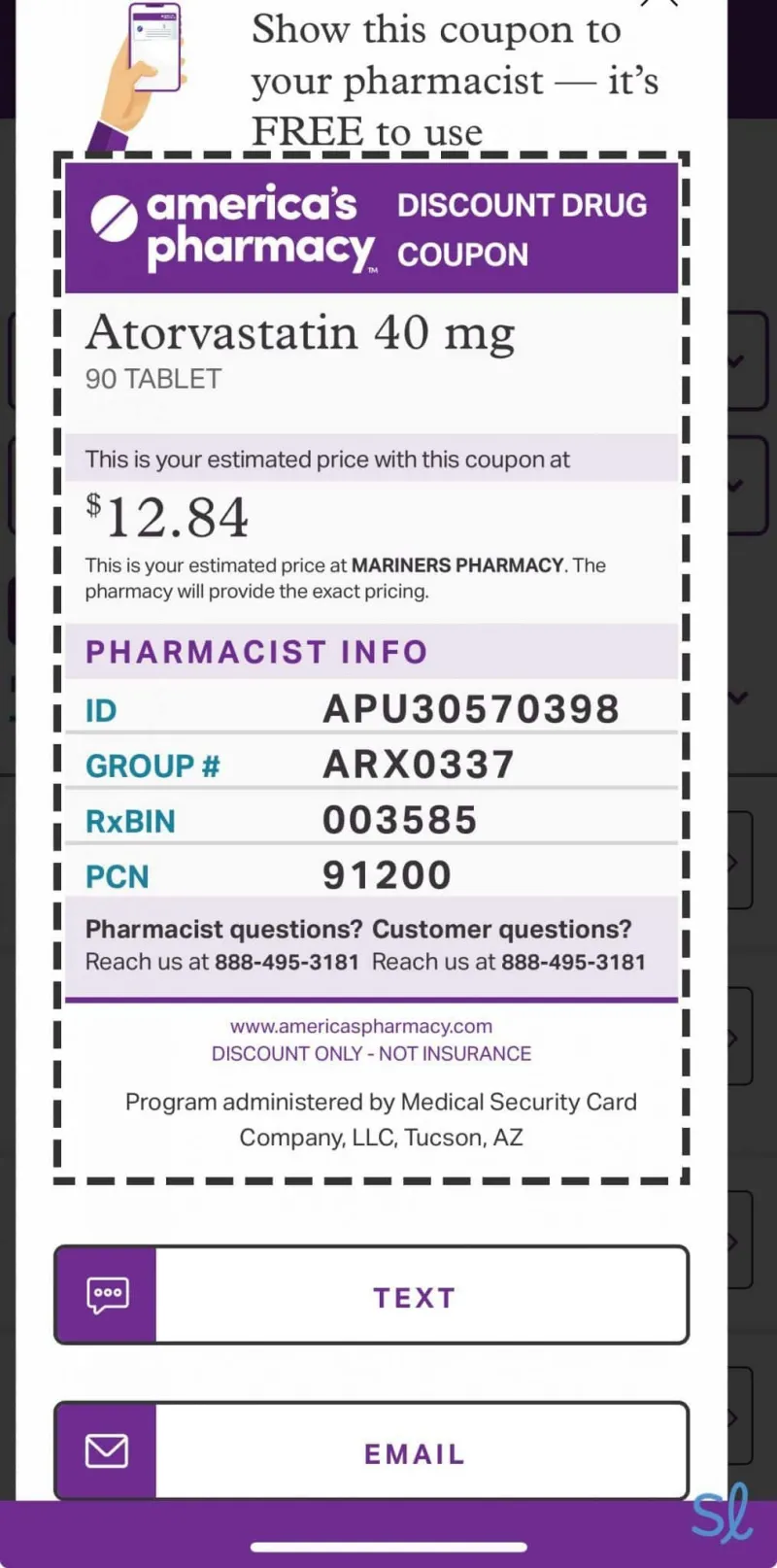
Use a Prescription Savings Tool Before Assuming Your Insurance Is Best. On certain medications, particularly generics, the cash price available through prescription discount programs may be lower than your insurance copay. Timing your use of these tools strategically—particularly during coverage gaps or high-deductible periods—can produce meaningful savings.
The Bigger Picture
Medication timing is not a peripheral concern for the detail-oriented patient. It sits at the intersection of pharmacology, insurance policy, and personal health management—three systems that were not designed to work together seamlessly. The friction between them costs American patients billions of dollars annually in wasted medication, avoidable complications, and redundant medical visits.
At CureRx For, we believe that informed patients are empowered patients. Understanding not just what you take, but when you take it and how that timing interacts with your coverage cycle, is one of the most practical steps you can take toward better health outcomes and a lower pharmacy bill. The prescription for saving money, in this case, is simply knowing what time it is.