Hidden in Plain Sight: How Everyday Over-the-Counter Medications Can Quietly Undermine Your Prescription Regimen

Every day, millions of Americans walk into a pharmacy, bypass the prescription counter, and reach for something off the shelf. A bottle of ibuprofen for a sore back. A nighttime cold formula for a stubborn cough. An antacid for post-dinner heartburn. These purchases feel routine—almost trivially so. What many patients do not consider is that these seemingly harmless remedies may be working directly against the prescription medications they depend on.
At CureRx For, our mission is to ensure that every patient has access to clear, actionable health information. And one of the most consequential gaps we see in everyday patient care is the widespread misunderstanding of over-the-counter, or OTC, drug interactions with prescribed therapies.
The Illusion of Safety That "No Prescription Required" Creates
There is a deeply embedded cultural assumption in the United States that if a medication does not require a doctor's signature, it must be safe for anyone to take at any time. This logic is understandable but fundamentally flawed. The FDA's approval of a drug for OTC use means it is considered safe for a generally healthy adult population when used as directed—not that it is universally safe for every individual, particularly those already managing chronic conditions with prescription therapy.
The active ingredients in OTC products are pharmacologically potent. They bind to receptors, alter enzyme activity, affect blood pressure, influence kidney function, and interact with the same metabolic pathways that process your prescription drugs. That is precisely why the risks are so significant and so frequently underestimated.
The Most Problematic OTC Offenders
Nonsteroidal Anti-Inflammatory Drugs (NSAIDs)
Ibuprofen and naproxen sodium—found in brands such as Advil, Motrin, and Aleve—are among the most commonly purchased OTC products in America. They are also among the most dangerous for patients on certain prescriptions.
Patients taking blood thinners such as warfarin face a substantially elevated bleeding risk when combining them with NSAIDs. Those prescribed ACE inhibitors or ARBs for hypertension may find their blood pressure control significantly worsened. Individuals on diuretics, often called water pills, can experience reduced kidney function. And for patients managing heart failure, even short-term NSAID use can trigger dangerous fluid retention.
The problem is compounded by the fact that pain is universal. When someone's knee aches or they wake up with a tension headache, reaching for ibuprofen is second nature. Few people in that moment consider calling their physician or pharmacist first.
Cold, Flu, and Decongestant Formulas
Multi-symptom cold remedies are particularly treacherous because they contain several active ingredients bundled into a single tablet or liquid. Pseudoephedrine and phenylephrine, common decongestants in these products, can raise blood pressure and heart rate—a serious concern for patients prescribed antihypertensives or those with underlying cardiovascular conditions.
Dextromethorphan, a cough suppressant found in dozens of OTC cold products, can cause a dangerous interaction known as serotonin syndrome when taken alongside antidepressants, particularly SSRIs and MAOIs. Symptoms of serotonin syndrome—agitation, rapid heart rate, high fever, and muscle rigidity—can escalate rapidly and require emergency care.
Antihistamines such as diphenhydramine, the active ingredient in many nighttime cold and sleep formulas, intensify the sedative effects of prescription opioids, benzodiazepines, and muscle relaxants. This combination can suppress breathing to a clinically dangerous degree.
Antacids and Heartburn Remedies
Products containing calcium carbonate, magnesium hydroxide, or aluminum hydroxide are effective at neutralizing stomach acid, but they also alter the pH environment in the gastrointestinal tract. This change can dramatically reduce the absorption of several prescription drugs, including certain antibiotics, thyroid medications such as levothyroxine, and some antifungal agents.
Proton pump inhibitors available OTC—such as omeprazole sold as Prilosec—can reduce the effectiveness of clopidogrel, a blood-thinning medication prescribed after heart attacks or stent placements. This interaction has been the subject of FDA safety communications and remains clinically significant.
Herbal and "Natural" Supplements
The OTC category extends well beyond conventional medications. Herbal supplements, vitamins, and natural remedies occupy significant shelf space in American pharmacies and big-box retailers. St. John's Wort, widely used for mild depression, is one of the most potent inducers of liver enzymes known—meaning it accelerates the breakdown of dozens of prescription drugs, including oral contraceptives, HIV medications, and anticoagulants, rendering them less effective.
Fish oil in high doses can increase bleeding risk. Ginkgo biloba may amplify the effects of blood thinners. Valerian root can enhance sedation. The "natural" label offers no protection from pharmacological consequences.
Why Patients Fail to Disclose OTC Use
Research consistently shows that patients underreport their OTC and supplement use to healthcare providers. Several factors drive this pattern.
First, many patients do not consider OTC products "real" medications and therefore do not think to mention them when asked about their current drug regimen. Second, there is often a lingering concern that physicians or pharmacists will judge them for self-medicating. Third, the sheer speed of modern medical appointments leaves little room for comprehensive medication review.
The result is that pharmacists—arguably the most accessible healthcare professionals in the United States—are frequently working with incomplete information when they conduct drug utilization reviews.
Practical Strategies for Safer OTC Use
Bring everything to your next pharmacy visit. Many pharmacists recommend what is sometimes called a "brown bag review"—gathering every pill, supplement, and OTC product in your home and bringing them in for a comprehensive medication check. This single step can uncover interactions that have gone undetected for months or even years.
Read the drug interaction warnings on OTC labels carefully. The FDA requires manufacturers to include warnings about known interactions. These sections, though dense, contain genuinely critical information.
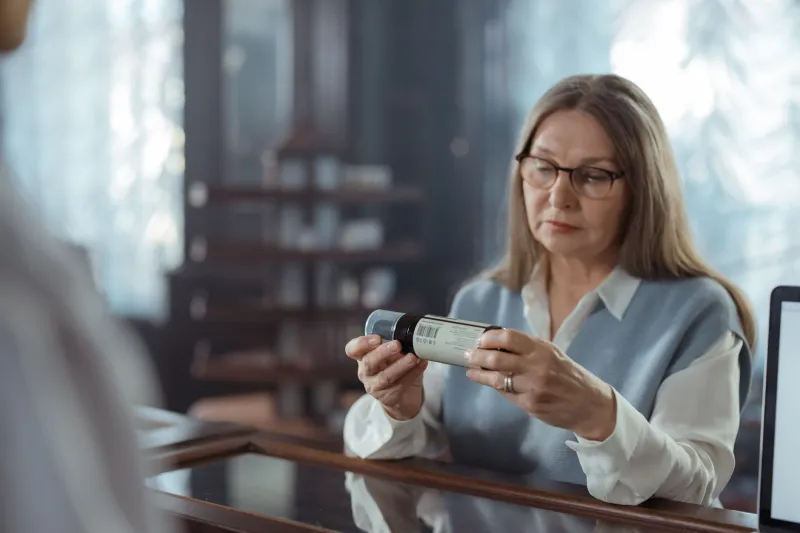
Ask before you buy, not after. Before purchasing any OTC product, ask the pharmacist on duty whether it is safe given your prescription list. This conversation takes two minutes and can prevent a serious adverse event.
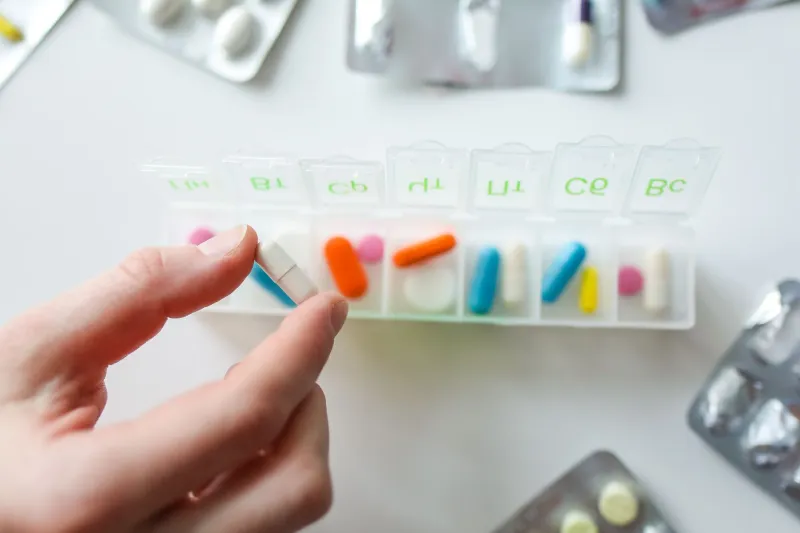
Maintain a complete medication list. Keep a written or digital record of every prescription, OTC product, vitamin, and supplement you take regularly. Share this list with every healthcare provider you see, including urgent care physicians and specialists who may not have access to your primary care records.
Explore prescription alternatives when appropriate. In some cases, a physician can prescribe a medication that accomplishes the same therapeutic goal as an OTC product but with a safer interaction profile for your specific regimen. This is a conversation worth initiating.
The Cost Angle: Interactions That Lead to Hospitalizations
Beyond the health consequences, OTC-related drug interactions carry a significant financial burden. Adverse drug events attributable to drug-drug interactions account for a substantial portion of preventable hospitalizations in the United States each year, many of which involve OTC products. Hospital stays are among the most expensive healthcare events an American patient can face, often generating bills that dwarf years of prescription costs.
From a prescription savings perspective, the math is unambiguous. A brief conversation with a pharmacist before purchasing an OTC product costs nothing. The downstream expenses of an avoidable hospitalization, emergency room visit, or treatment complication can be devastating.
A Final Word From CureRx For
The convenience of OTC medications is one of the genuine advantages of modern American healthcare. Self-management of minor ailments without a physician's visit saves time, money, and system resources. But convenience should never come at the cost of safety—particularly for patients managing complex or chronic conditions with prescription therapy.
The pharmacist standing behind the counter at your local pharmacy is a licensed clinician with specialized training in drug interactions. Use that resource. Ask the question. Bring the list. The few moments that investment requires could prove to be among the most important health decisions you make.